


If you were expecting a refund and instead spotted irs code 826 on your transcript, this explains exactly why the money didn’t land in your bank account. IRS code 826 means part or all of your refund was redirected to cover a balance owed from a different tax year, rather than being paid out to you. It’s one of the more frustrating codes to see, but it’s also one of the more straightforward ones to understand once you know what triggered it.
What Transaction Code 826 Actually Means
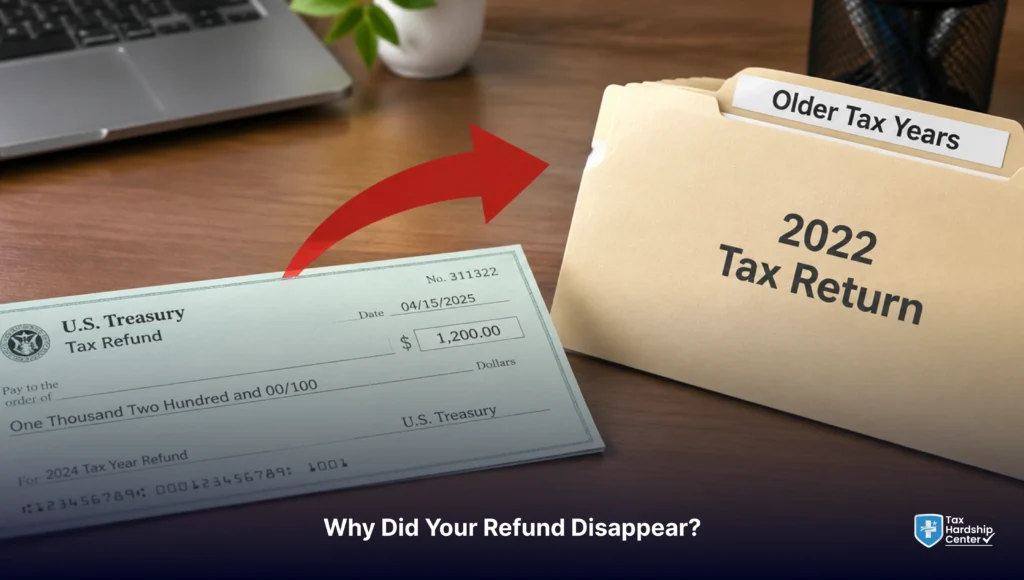
IRS code 826 appears on your transcript when the IRS applies part or all of your expected refund toward an outstanding balance from a prior tax year instead of releasing it to you. This is officially referred to as an offset, and it happens automatically once the IRS identifies that you have an unpaid balance on record from another year.
Unlike some transcript codes that simply confirm processing steps, IRS code 826 represents an actual action taken on your refund. If you were counting on that money and it never showed up, checking for code 826 on your transcript is usually the fastest way to understand exactly what happened to it. If you’ve also received a notice from the IRS about the balance, it’s worth reviewing your options before the next offset hits.
Code 826 Credit Transferred Out: Where the Money Actually Goes
The label code 826 credit transferred out describes precisely what occurred. Your credit, meaning your expected refund, wasn’t lost or denied. It was moved internally within the IRS system to pay down a balance you owe from a different tax year. The dollar amount tied to code 826 credit transferred out corresponds directly to the portion of your refund that was redirected.
This is different from a refund simply being reduced due to an error on your return. With code 826 credit transferred out, the full amount you were owed is still accounted for. It’s just been applied somewhere else within your IRS account rather than sent to you directly. Understanding this distinction matters, since it means the money wasn’t taken from you unfairly. It was used to reduce a debt you already had on record.
Why the IRS Redirects Your Refund This Way
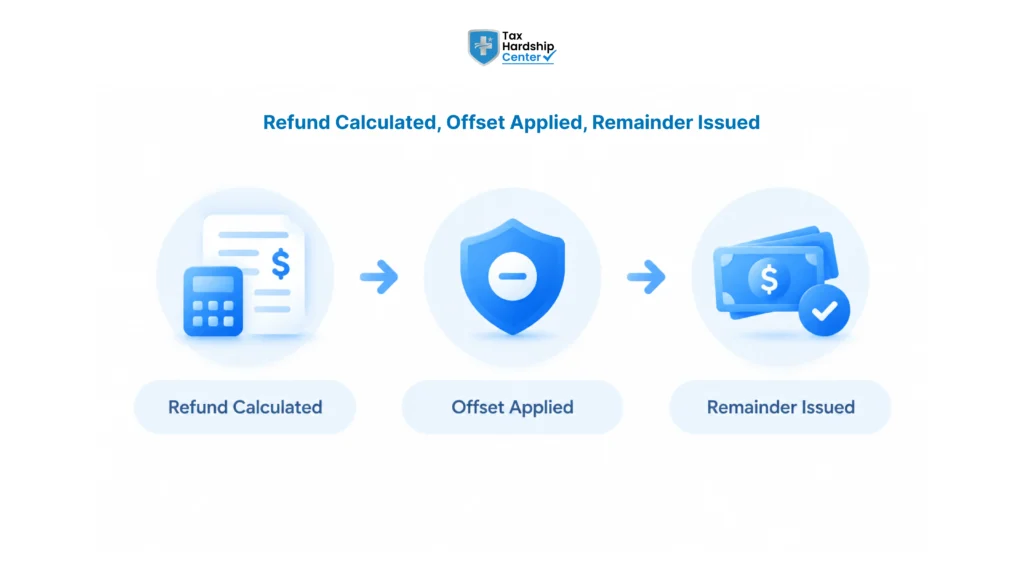
The IRS has legal authority to apply your current year refund toward unpaid tax debt from a previous year before releasing any remaining balance to you. This is why IRS code 826 shows up specifically when you have an outstanding balance elsewhere in your account history, even if that balance is from several years back.
This process is largely automatic. Once your return is processed and a refund is calculated, the IRS system checks your account for any existing balances before releasing funds. If a balance exists, code 826 credit transferred out is applied, and only the remainder, if any, is issued to you as an actual refund. This is separate from garnishment or a formal levy. It’s a built-in offset process specific to how the IRS handles refunds when a balance is already on file.
How to Tell Which Tax Year Your Credit Transferred Out To
When you see irs transcript 826, the entry typically includes a reference to the specific tax year the credit was applied toward. This is important information, since it tells you exactly which year’s balance absorbed your refund, which helps you understand your overall tax situation rather than just this year’s outcome in isolation.
If the tax year referenced under code 826 is unfamiliar or you’re not sure why a balance exists for that year, requesting a transcript specifically for that prior year can clarify the full picture. Sometimes people don’t realize they still owe from a year several cycles back, especially if the original notices went unanswered or were sent to an old address.
Can You Get the Money Back After Code 826 Applies?
Once code 826 credit transferred out has been processed, the money has already been applied to the prior year balance, and it generally cannot be reversed simply because you’d rather have received it directly. The offset satisfies part or all of a legitimate debt you owed, so from the IRS’s perspective, the transaction is complete.
There are limited exceptions. If you believe the prior year balance itself was calculated incorrectly, or if you have grounds to dispute that debt, addressing the underlying balance through an amended return or an IRS audit reconsideration request could potentially affect future offsets, though it won’t typically unwind a transfer that’s already occurred. If the offset created a genuine financial hardship, it’s worth discussing your overall situation with a tax professional rather than trying to reverse the specific transaction after the fact.
What to Do If IRS Transcript 826 Keeps Happening Every Year
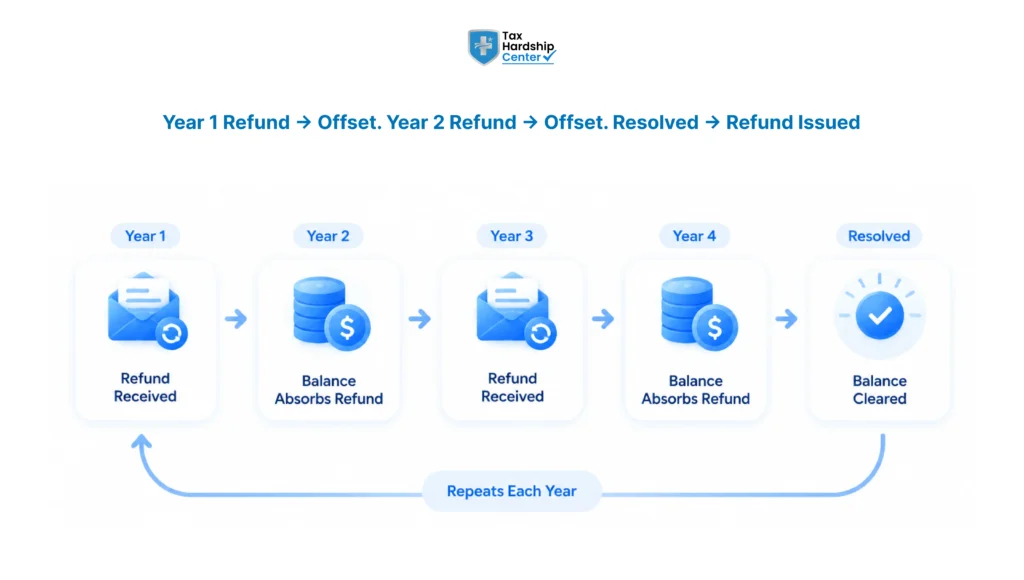
If you’re seeing irs transcript 826 appear year after year, it usually means the underlying balance hasn’t been fully resolved and continues absorbing your refunds each filing season. This pattern is worth addressing directly rather than letting your future refunds keep disappearing into a balance that never seems to shrink.
A few paths typically make sense here:
- Set up a formal installment agreement so the balance is paid down on a defined schedule instead of relying on refund offsets alone
- Check if the balance qualifies for an Offer in Compromise, which could resolve the debt for less than the full amount owed
- Confirm the balance amount is accurate by reviewing the specific tax year’s transcript in detail
- Address any related penalties that may be growing the balance faster than your annual refund can reduce it
Relying on code 826 credit transferred out as your only form of payment toward an old balance is usually the slowest and least predictable way to resolve it. Our comparison of IRS payment plan options walks through faster, more controlled paths to actually close out the debt.
How Tax Hardship Center Helps When Refunds Are Being Redirected
When a client comes to us after seeing irs code 826 on their transcript, we start by identifying exactly which prior year balance absorbed their refund and confirming the amount is accurate. This matters because sometimes the underlying debt includes penalties or interest that have grown significantly since the original balance was assessed, and understanding the full picture changes what resolution options make sense.
From there, we help set up a structured path to close out the balance directly, rather than leaving it to absorb refunds indefinitely. This might mean an installment agreement that pays down the debt on a defined timeline, or an Offer in Compromise evaluation if the balance qualifies for a reduced settlement. If the prior year balance itself seems inaccurate, we also review whether it’s worth disputing through the proper channels before it continues offsetting future refunds year after year.
Frequently Asked Questions
What does IRS code 826 mean on my transcript?
It means part or all of your expected refund was applied to an unpaid balance from a different tax year instead of being issued directly to you.
What does code 826 credit transferred out specifically refer to?
It refers to the exact dollar amount of your refund that was redirected to pay down a prior year tax debt on your account.
Can I get my refund back after IRS transcript 826 shows the offset?
Generally no, since the offset satisfies a legitimate balance owed. Disputing the underlying prior year debt is the only path that could affect future offsets.
Why does code 826 keep happening to me every year?
This usually means the prior year balance hasn’t been fully resolved, so each year’s refund continues being applied toward the remaining debt.
Is code 826 the same as a formal IRS levy?
No. Code 826 is an automatic refund offset applied when a balance exists on your account, which is different from a levy on wages or bank accounts.
How do I stop future refunds from being redirected under code 826?
Resolving the underlying balance directly, through a payment plan or settlement option, is the most reliable way to stop future offsets from occurring.
Conclusion
IRS code 826 explains a common but frustrating situation: an expected refund that was redirected to cover a balance from a prior tax year instead of landing in your account. Understanding code 826 credit transferred out helps you see exactly where that money went and why, and if irs transcript 826 keeps appearing year after year, it’s usually a sign that the underlying balance needs a direct resolution rather than relying on future refunds to slowly chip away at it.
Key Takeaways
- IRS code 826 means your refund was applied to a balance owed from a prior tax year.
- Code 826 credit transferred out shows the exact amount redirected and which year it went to.
- This offset process is automatic and separate from a formal levy or garnishment.
- The transferred amount generally cannot be reversed once the offset is processed.
- Irs transcript 826 appearing repeatedly usually means the underlying balance isn’t resolved.
- Reviewing the referenced prior year transcript clarifies exactly why a balance exists.
- An installment agreement can stop reliance on refund offsets as the only form of payment.
- An Offer in Compromise may resolve the balance for less than what’s currently owed.
- Disputing an inaccurate prior year balance may affect future offsets going forward.
- Addressing the root balance directly is faster than letting annual refunds chip away at it.
Tired of your refund disappearing into a balance you didn’t know about? Get a free case review from Tax Hardship Center and get that old debt resolved for good.