
Ignoring a missed IRS payment plan payment doesn’t make the notice disappear. If the 30-day CP523 window closes without an appropriate response, your agreement can terminate and the IRS may resume collection activity.
That is why waiting until the agreement is fully terminated can make the situation harder to resolve. Once the cure window has passed, you may have fewer options than you would have had while the CP523 notice was still within its response period.
Once that happens, the IRS can pursue liens, levies, and wage garnishment the same way it could before you ever had a plan. Getting back into good standing after formal termination is still possible in many cases, but it usually takes longer and involves more back and forth than catching the default early.
What Happens the Moment You Miss an IRS Payment Plan Payment
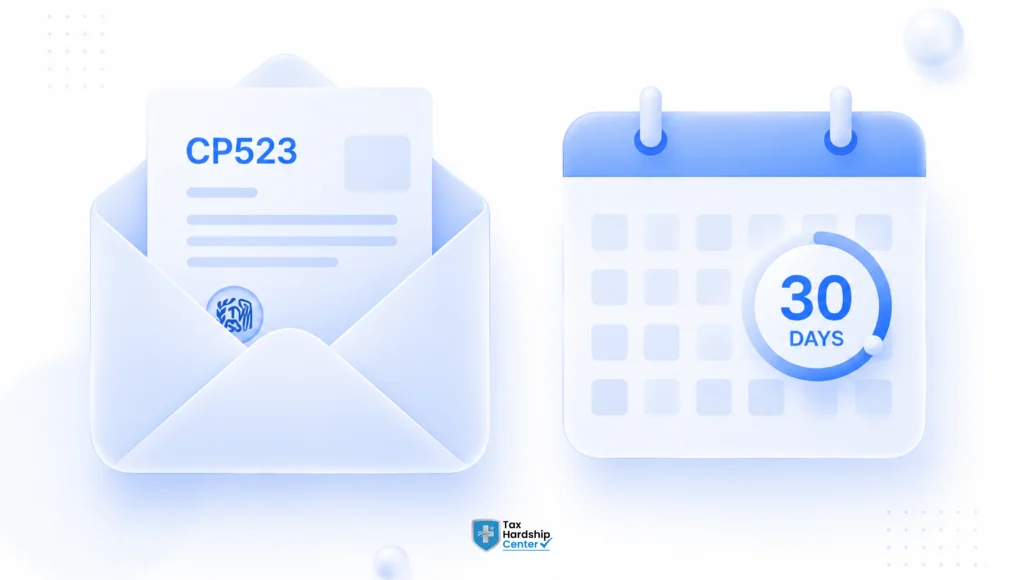
A missed IRS payment plan payment doesn’t cancel your agreement the same day. The IRS system flags the missed payment, and your account moves toward default status, but you’re not automatically back in collections yet. This distinction matters, because a lot of taxpayers assume the worst the moment they see the missed charge and panic before they even know what’s actually happening.
What does change immediately is the clock. Interest keeps compounding on your balance the same way it always has, and once a missed IRS payment plan payment triggers formal default, the failure to pay penalty jumps back from 0.25% a month to the full 0.5%. That’s a real cost, even before anything else happens.
Understanding an IRS Payment Plan Default Notice
If your account slides into an IRS payment plan default, the IRS typically sends Notice CP523. This letter isn’t a routine reminder. It’s a warning that your agreement is at risk of formal termination, and it spells out exactly what you owe and by when.
Read this notice carefully the day it arrives. An IRS payment plan default notice will list the missed amount, the deadline to cure it, and what happens if you don’t respond. Most people who lose their agreements entirely aren’t the ones with a single missed IRS payment plan payment. They’re the ones who missed the notice.
The 30-Day Window Before Termination
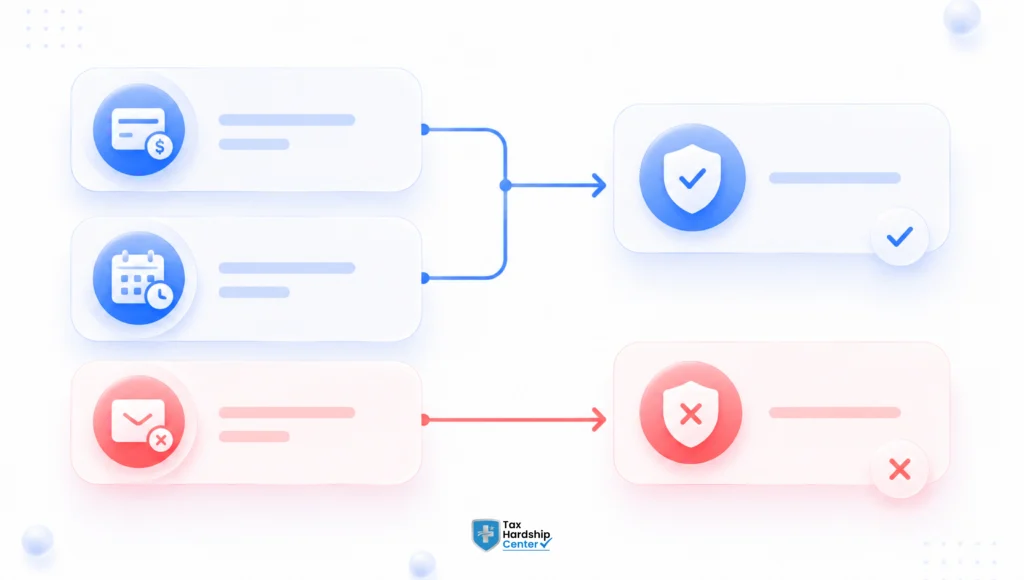
Once CP523 goes out, you generally have 30 days to fix the IRS payment plan default before the agreement formally terminates. This window is the single most important part of the whole process, and it’s shorter than most people expect once you factor in mail delays.
During this window, you can pay the missed amount directly, which often resolves a missed IRS payment plan payment before it escalates any further. You can also contact the IRS to explain what happened and, in some cases, request a short-term extension rather than losing the plan outright.
The key is to treat the date on your CP523 as a deadline, not a suggestion. Start by checking the notice for the exact amount the IRS says is past due and the date by which you need to respond. If you can pay the missed amount, doing so may help you avoid termination. If you cannot, contact the IRS as soon as possible to discuss your options rather than waiting until the final days of the cure period.
Before contacting the IRS, gather your CP523 notice, payment history, current account balance, and information about any change in your income or expenses. Having these details ready can make it easier to explain why the payment was missed and determine whether reinstatement, a modified payment amount, or another arrangement is more appropriate.
If the 30 days pass without a response, the agreement is officially terminated. At that point, the IRS can resume levies, liens, and other enforcement it had paused while your plan was active.
How to Reinstate an IRS Payment Plan
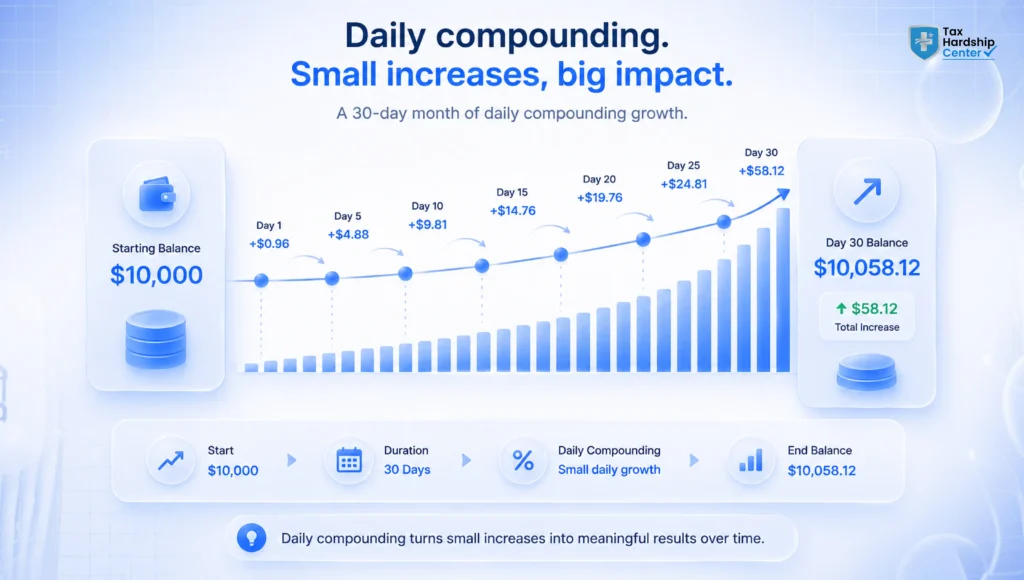
If your agreement has already defaulted, you’re not necessarily starting from zero. The IRS allows eligible taxpayers to reinstate an installment agreement rather than negotiate an entirely new one, and this is usually faster and simpler than people assume after a missed IRS payment plan payment.
To fix things, you’ll typically need to pay the past due amount, confirm your current financial situation hasn’t changed dramatically, and in some cases update your information if it has.
The reinstatement process generally starts with determining why the agreement defaulted and whether the original payment terms are still realistic. If the missed payment was a one-time problem and you can afford the existing monthly amount, reinstating the current agreement may be the most straightforward option.
If you cannot afford the missed amount or the original monthly payment, do not assume that reinstating the same agreement is your only choice. Your current income, expenses, new tax liabilities, and ability to make future payments can all affect which resolution path makes sense.
Before requesting reinstatement, review:
- The amount currently past due
- Your current IRS balance
- Whether you have filed all required tax returns
- Whether you have new tax liabilities
- Whether your income or expenses have changed
- Whether you can realistically maintain the existing monthly payment
Acting quickly makes a real difference here. The IRS is generally more willing to work with someone who had one missed IRS payment plan payment and responded fast than with someone who let months pass without contact.
What Reinstatement Actually Costs
Reinstating your agreement isn’t free. The IRS typically charges a reinstatement fee, commonly around $89, though the exact amount depends on your circumstances and how the original agreement was set up. This is on top of any interest and penalties that accrued during the missed period.
This fee is worth putting in perspective. It’s a fraction of what enforced collection can cost once liens or levies come into play, which is exactly why most taxpayers choose reinstatement rather than let the default stand and deal with collections from scratch.
Can You Change an IRS Payment Plan Instead of Losing It?
Sometimes the real problem isn’t that you missed a payment. It’s that the payment amount never fit your budget in the first place. In that case, it’s worth asking whether you can change an IRS payment plan before you fall behind again, rather than reinstating the same terms that got you here.
You can generally request a different monthly amount, due date, or payment method, especially if your income has shifted since the original agreement was set up. Switching to direct debit is one of the simplest ways to lower the odds of another missed payment, since it removes the need to remember a manual transfer every month.
The decision comes down to whether your original agreement is still sustainable. If you can afford the existing payment and the missed payment was temporary, reinstatement may be appropriate. If your financial circumstances have changed and the monthly payment is no longer realistic, requesting a change may prevent another default.
For example, someone who originally agreed to a $600 monthly payment but later experienced a significant income reduction may struggle to stay current even after reinstatement. In that situation, simply restoring the old agreement could solve today’s default while creating another missed payment next month.
Changing an IRS payment plan may involve reviewing updated financial information and determining whether you qualify for different terms. The goal is not simply to get the agreement active again. It is to establish a payment amount you can realistically maintain.
If your income dropped significantly, it may also be worth exploring whether a lower monthly figure, or a different resolution path entirely, fits your situation better than trying to force the original number to work.
What Happens If You Don’t Act
Ignoring a missed IRS payment plan payment doesn’t make the notice disappear. If the 30-day window closes without a response, your agreement terminates, your full balance comes due immediately, and the protections that came with having an active plan go away with it.
Once that happens, the IRS can pursue liens, levies, and wage garnishment the same way it could before you ever had a plan. Getting back into good standing after formal termination is still possible in many cases, but it usually takes longer and involves more back and forth than catching the default early.
Why Tax Hardship Center Is the Right Call When You’ve Missed a Payment
Tax Hardship Center works directly with taxpayers who’ve received a CP523 notice or already defaulted and need to reinstate an IRS payment plan before enforcement resumes. That starts with reviewing exactly what triggered the default, whether it was a missed IRS payment plan payment, a new balance, or an unfiled return, and building the fastest path back to compliance.
For taxpayers whose original terms never fit their budget, Tax Hardship Center also evaluates whether it makes more sense to change an IRS payment plan’s amount and due date rather than reinstate the same agreement that led to the missed payment in the first place. Direct IRS communication on your behalf means fewer missed deadlines and a clearer picture of what’s actually required to cure the default.
Conclusion
A missed IRS payment plan payment is recoverable in most cases, but the 30-day window after your CP523 notice is the part that actually decides the outcome. Whether you reinstate an IRS payment plan on the same terms or change an IRS payment plan to something that actually fits your budget, acting inside that window is what keeps enforcement from restarting.
FAQs
What happens immediately after a missed IRS payment plan payment?
Your account moves toward default, but the agreement doesn’t terminate the same day. Interest continues accruing, and once formal default hits, the failure to pay penalty returns to 0.5% a month.
How do I know if I’m in IRS payment plan default?
The IRS typically sends Notice CP523, which lists the missed amount and the deadline to cure it before your agreement is formally terminated.
Can I reinstate an IRS payment plan after it defaults?
Yes, in most cases. You’ll need to pay the past due amount and, depending on your situation, confirm or update your financial information with the IRS.
Is there a fee to get reinstated?
Yes. The IRS typically charges a reinstatement fee, commonly around $89, in addition to any interest and penalties that accrued during the default.
Can I change an IRS payment plan instead of reinstating the same terms?
Yes. You can generally request a different monthly amount, due date, or payment method if the original terms no longer fit your budget.
What happens if I ignore the CP523 notice?
Your agreement terminates after the 30-day window closes, the full balance becomes due, and the IRS can resume levies, liens, and wage garnishment.
Does switching to direct debit help avoid another default?
Yes. Direct debit removes the need to manually make a payment each month, which is one of the most common reasons taxpayers miss an IRS payment plan payment.
Key Takeaways
- A missed IRS payment plan payment doesn’t terminate your agreement the same day it happens.
- IRS payment plan default typically triggers a CP523 notice with a 30-day cure window.
- Missing that 30-day window results in full termination and resumed enforcement.
- You can usually reinstate an IRS payment plan by paying the past due amount quickly.
- Reinstatement typically carries a fee, commonly around $89.
- The failure to pay penalty returns to 0.5% a month once formal default occurs.
- You can request to change an IRS payment plan’s amount or due date if the terms no longer fit.
- Direct debit lowers your risk of another missed IRS payment plan payment going forward.
- Acting within the CP523 window is faster than reinstating after full termination.
- Ignoring the notice allows the IRS to resume liens, levies, and garnishment.
Missed a payment and not sure what to do next? Get a free case review from Tax Hardship Center today.