

Catching up is doable when you follow a clear plan. Most nonfilers can file late returns without face-to-face audits, request transcripts for missing forms, and set up a payment plan even if cash feels tight. File first to stop the steep failure to file penalty from growing, then fix the balance with an installment agreement or settlement. If the IRS created a return for you, replace it with a real one to cut the tax. Keep records, reply to notices on time, and you can reset fast.
Start Here: What the IRS Wants When You Haven’t Filed in Years
This section explains how the IRS thinks about nonfilers and what it takes to get back on track. The IRS wants accurate returns and a good faith plan to pay. You do not need to panic or hide. Start by listing each missing year and your filing status for those years. Gather any W‑2s, 1099s, and 1095‑A forms you can find. Order wage and income transcripts and account transcripts to fill the gaps. Create a simple checklist with dates and tasks, then move year by year until complete.
Check Your Status: Do You Need All 5 Years or Only the Last 6
This section helps you decide how many returns to file and when to include state returns. Most taxpayers who missed five years should file each of those years to become current. In some cases the IRS accepts fewer years when you show full compliance going forward, but filing all five years removes doubt and clears the deck. Include state returns where required, since state balances can trigger faster collection. If you had no filing requirement for a year, document why and keep that note with your records.
Pull Your Records and Transcripts: How to Rebuild Your File Fast
This section covers how to reconstruct paperwork when documents are missing. Use IRS wage and income transcripts to recover W‑2s, 1099‑NECs, 1099‑Ks, 1099‑INT, and 1099‑DIV. Check Form 1095‑A if you had marketplace insurance. Pull bank and credit card statements to support income and deductions, and request year‑end summaries from vendors. If you own a business, download processor statements and sales reports. Build a folder for each year with income, expenses, and notes so preparation moves quickly.
Estimate and Fix: Recreate Missing Data Without Guesswork
This section shows how to make clean estimates that stand up. Use a consistent method when records do not exist. For mileage, rebuild a log from calendar entries and mapping tools. For cost of goods sold, tie purchases to bank statements and supplier invoices. For cash sales, cross‑check deposits and invoices. Never inflate or lowball to fit a target. Keep a worksheet that explains each estimate and the source. Solid estimates paired with support help you file now and amend later if better data arrives.
Choose the Right Filing Path: DIY, Pro, or Tax Hardship Center
This section helps you pick the approach that saves time and money. DIY works when your income comes from W‑2 wages, your deductions are simple, and you can track each form. Hire a pro when you have business income, rental property, stock sales, or IRS notices. At Tax Hardship Center, we prepare late returns, fix substitute for return assessments, and map a plan to handle the balance. Our team coordinates federal and state filings, sets up payment options, and manages deadlines so you do not miss a step.
How Tax Hardship Center Gets You Caught Up Fast
This section gives a quick view of how our team moves you from unfiled years to current status. Our services at Tax Hardship Center include full late return preparation and IRS account transcript review so every number ties out. We also set installment agreements that fit your budget and qualify you for relief when possible. If you meet the rules, we prepare an Offer in Compromise package to seek a settlement. Start with a free case review to see timelines, costs, and the best path forward.
File Even If You Owe: Penalties Stop Once You File
This section explains why filing now saves money. The failure to file penalty grows much faster than the failure to pay penalty. Review the IRS rules on the failure to file penalty and the failure to pay penalty so you know the stakes. Once you file, that larger penalty stops. Interest continues until you pay in full, but you can cut costs by filing clean returns right away. If you owe more than you can pay, submit the return and then choose a resolution path.
Settle the Balance: Payment Plans, OIC, and Penalty Relief
This section lays out your options after filing. Many taxpayers qualify for an installment agreement that fits their budget. Learn how these work on our detailed page about the IRS Installment Agreement. If the numbers show you cannot pay in full, consider an offer in compromise that settles for less based on your finances. See our guide to the Offer in Compromise to understand eligibility. Ask for penalty relief through first‑time abatement or reasonable cause when events such as illness, disaster, or records loss apply. You can also request a short‑term extension to pay or a partial payment plan that reviews your finances over time.
Handle IRS Notices: CP59, CP2000, Substitute for Return
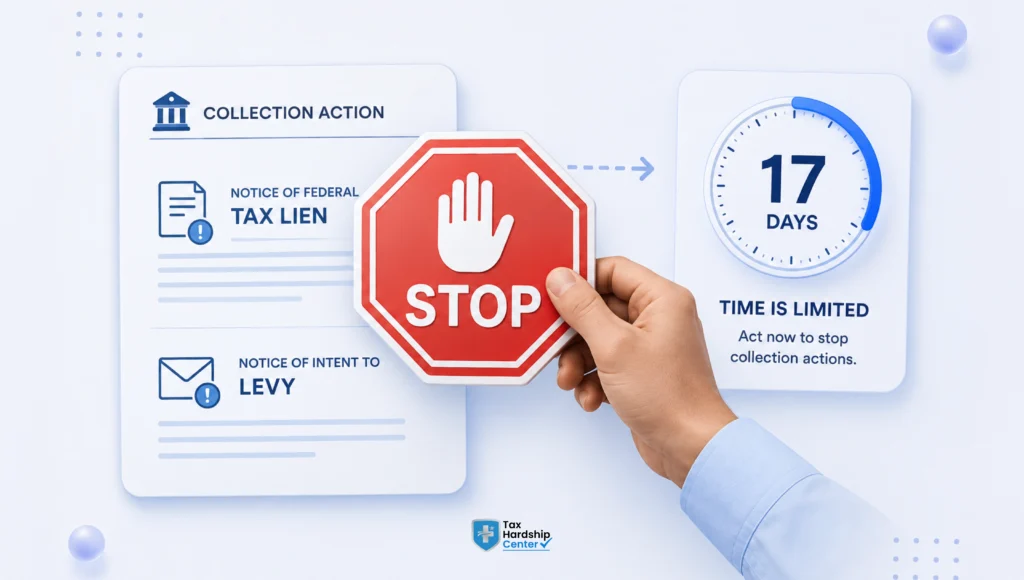
This section covers how to read and respond to common notices. A CP59 asks why you did not file. Reply with your plan and timelines. A CP2000 proposes extra tax from forms that do not match your return. Compare the data with your records and respond with support. If the IRS filed a substitute for return, replace it with a proper return that claims your filing status, income adjustments, and deductions. For deeper reading, see our blog on payment plans and options and our post on common filing myths. Keep copies of all letters, proof of mailing, and transcripts in your year folders.
Fix State Taxes Too: Align With Your State’s Rules
This section aligns your federal catch‑up with your state. Check which years your state requires and what penalties apply. Many states mirror federal options with payment plans and compromise programs. File state returns soon after federal so numbers stay consistent. Watch for driver license or professional license holds that some states use for unpaid taxes. Resolve state issues early to avoid bank levies or wage garnishments from state agencies.
Protect Yourself: Avoid Criminal Exposure and Identity Flags
This section clarifies common fears about nonfilers. Most late filers who come forward face civil penalties, not criminal cases. Voluntary filing shows good faith and reduces risk. Sign returns yourself and never use false information. If you suspect identity theft, file Form 14039 and request a PIN to protect future returns. Shred sensitive papers you do not need and store the rest in a secure digital vault with backups.
Work With Tax Hardship Center: How We Get You Current in 10 Steps
This section outlines our end‑to‑end process so you know what comes next. We start with a free case review to size the years and issues. We pull your IRS transcripts, build year folders, and request missing records from payers. We prepare draft returns and review each with you for accuracy. We file each return, confirm posting on transcripts, and then propose the best resolution based on your budget. We submit requests for penalty relief, set up payment plans, and monitor notices until you stand current. If you also need annual filing support, our personal tax preparation service keeps you compliant going forward.
Timeline and Costs: What to Expect Week by Week
This section sets expectations so you can plan. Week one, transcripts and records requests go out. Week two to three, we rebuild income and deductions and prepare drafts. Week four, we file and confirm acceptance. Weeks five and six, we propose and set your resolution. Complex cases with businesses or multiple states can take longer, but steady progress beats delay. Ask for a written scope, fees by phase, and a clear point of contact so you always know status.
After You File: Stay Compliant Next Year
This section helps you avoid a repeat. Update your Form W‑4 with your employer so withholding covers your tax. If you are self‑employed, set aside a percent of each payment and send quarterly estimates. Track income and expenses monthly with a simple ledger and keep digital copies of receipts. File on time every year even if you cannot pay in full. For step‑by‑step repayment guidance, read our explainer on the IRS Repayment Program.

Our Services at Tax Hardship Center Can Do This For You
This section shows how professional help saves time and reduces total cost. At Tax Hardship Center, we help you file clean late returns, challenge substitute for return assessments, and set the right long‑term plan. We prepare installment agreement requests with accurate budgets and documentation. When your finances qualify, we build the Offer in Compromise package the IRS expects. Start with a free case review and get a written timeline and fee map before we begin.
In summary…
This section wraps the plan into fast takeaways and next steps.
- What to do first
- List each missing year and filing status
- Order wage and income transcripts and account transcripts
- Build year folders for records and notes
- List each missing year and filing status
- How to file clean returns
- Use transcripts to fill missing forms
- Rebuild expenses with bank statements and logs
- Document every estimate and keep support
- Use transcripts to fill missing forms
- How to handle balances
- File now to stop the larger filing penalty
- Pick a fitting payment plan or offer in compromise
- Request penalty relief when you qualify
- File now to stop the larger filing penalty
- How to prevent repeats
- Adjust W‑4 or make quarterly estimates
- Track records monthly and file on time
- Adjust W‑4 or make quarterly estimates
Get current, get a plan, and stay current. That sequence saves money and stress.
FAQs
How many years do I need to file if I missed five
Most people should file each missing year to become current. In some cases the IRS accepts fewer years, but filing all five removes questions and aligns state filings.
Can I file if I do not have every form
Yes. Order transcripts, rebuild numbers from bank statements, and document estimates. File cleanly now and amend later if better records arrive.
Will filing late trigger an audit
Late filing alone does not trigger an audit. Clean, well supported returns and timely replies to notices help you avoid exams.
What if the IRS already filed for me
Replace the substitute for return with your own return that claims your filing status, credits, and deductions. This often lowers the balance.
Can I settle for less than I owe
You can when your finances qualify. An offer in compromise or a partial payment plan can reduce what you pay. Many taxpayers also qualify for penalty relief.