
Help filing taxes from previous years often starts with one truth. You still have time, but the clock matters. You can usually e-file the current year and the two prior years. Older returns go by mail with the right IRS forms for that year. Refunds expire after three years from the original due date. Short-term payment plans run up to 180 days for many taxpayers, while long-term installment agreements help spread out balances. Self-employed filers protect Social Security credits when they file Schedule SE and pay self-employment tax. Keep reading for steps, deadlines, free help, and when to bring in a pro.
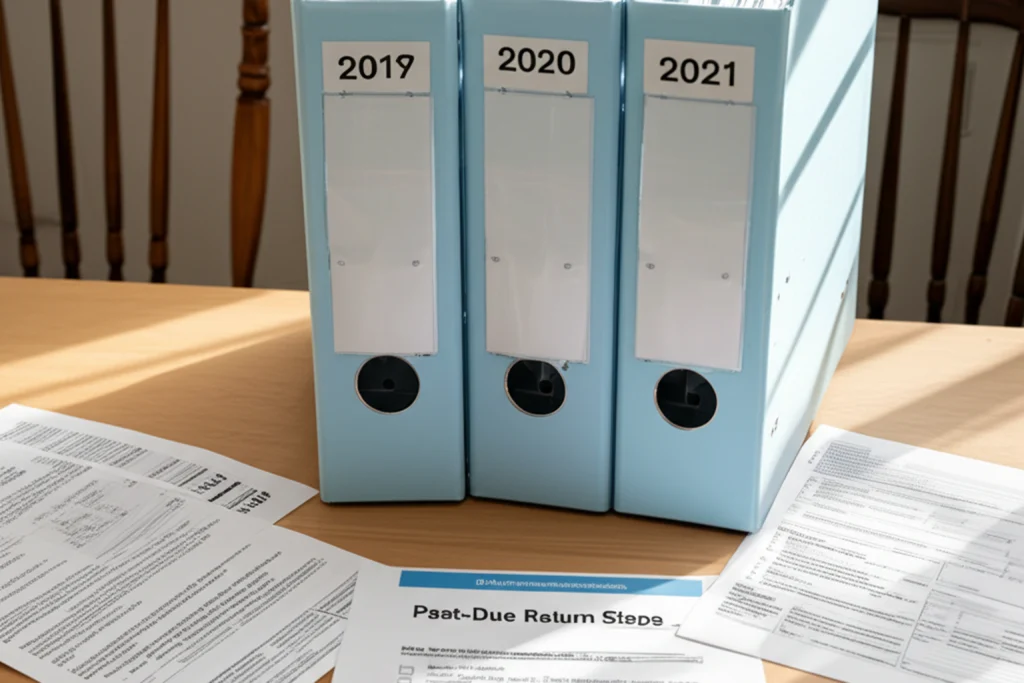
Help Filing Taxes From Previous Years With IRS Support
You want clear paths to catch up, not jargon. This section gives you the fast view of how the IRS helps you file prior-year returns and settle balances. You will see what you can file online, what must go by mail, where to find free preparation help, and how to pay if you owe. You will also learn what deadlines matter for refunds and how to avoid extra costs. Use these tools to finish the job without guesswork. For state taxes, visit your state tax website for prior-year rules and forms; New York filers can review guidance on the New York Department of Taxation and Finance site before preparing their state returns. If you prefer a tax filing service, weigh expertise and forms covered rather than headlines about a max refund, refund guarantee, or tax savings gurantee; real outcomes depend on eligibility criteria and clean records. Start from the official IRS website for answers to filing questions and links to the right forms.
What you can still e-file
Most taxpayers can e-file the current tax year and the two previous years if software supports it. If your return falls outside that window, you print, sign, and mail. E-file speeds processing and refunds when you choose direct deposit. If e-file rejects for identity verification or mismatch errors, fix the data and submit again.
When you must mail
You mail returns older than the IRS e-file window. You also mail if a form you need cannot be e-filed or if your software does not support that year. Sign each return, include all required schedules, and attach copies of W-2s and certain 1099s that report withholding. Use certified mail or another trackable service so you have proof of filing.
How IRS payment plans work at a glance
Short-term plans let you pay within 180 days. Long-term plans use monthly installments. Many taxpayers apply online without calling. Interest and penalties continue until you pay in full. Automatic bank withdrawals help you avoid missed payments and extra fees.
Where free help fits
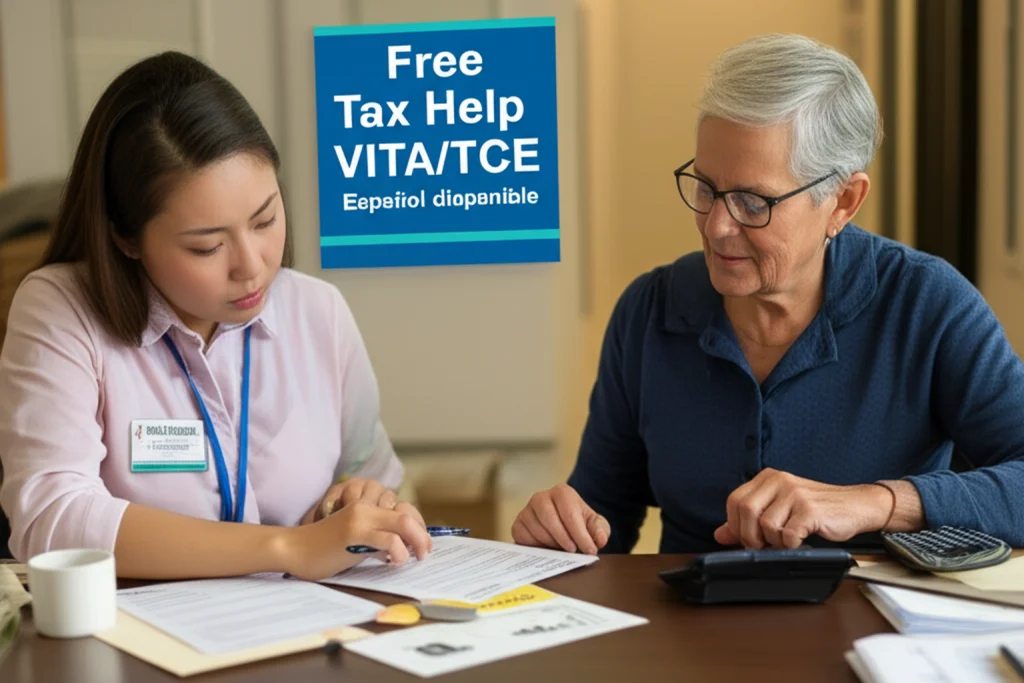
Not everyone needs a paid preparer. The IRS sponsors free preparation through VITA and TCE. Community partners host sites across the country. Many taxpayers qualify based on income, age, or disability. If you speak Spanish, many sites offer help en Español.
When a professional makes sense
Complex returns need expert eyes. Hire a pro when you have multiple years, business income, unfiled payroll or sales tax, IRS notices, or a risk of enforcement. A licensed tax professional can also set a filing order, pull wage and income transcripts, and plan payment options.
Our services at Tax Hardship Center: a quicker catch-up plan
Our services at Tax Hardship Center focus on getting your prior-year returns filed in the right order and setting a payment path you can keep. We pull IRS transcripts, map a year-by-year checklist, and prepare each return so your data stays accurate. If you qualify for settlement, our Offer in Compromise team evaluates your case. If you need time to pay, our Installment Agreement specialists set up the plan and help you avoid missed drafts. If a notice threatens your paycheck, our Wage Garnishment practice moves fast to stop or reduce the hit while you file. If you simply need to file and pay, start with our Back Taxes Help page and we will guide each step.
Why you should file your past due return now
You build momentum when you file the first late return. You cut future stress and reduce costs you can control today. You also protect benefits tied to your filing record and make yourself eligible for payment plans. This section shows the concrete gains that come from action now.
Avoid penalties and added interest
Penalties and interest grow every month. The failure-to-file penalty hits harder than the failure-to-pay penalty. Filing now stops the larger penalty from building. Paying something now cuts future interest, even if you cannot pay it all. You can also request penalty relief if you qualify under first-time abatement or reasonable cause. Clean data improves accuracy and lowers your tax liability because correct withholdings, credits, and basis figures prevent overstatement. For deeper tactics, see our guide to IRS penalty abatement strategies.
Protect Social Security and future benefits
Self-employed taxpayers need filed returns to post earnings to their Social Security record. Schedule SE reports those earnings and calculates self-employment tax. Filing ensures your work counts toward retirement and disability benefits. If you miss reporting, those credits may not post until you fix your filing.
Claim refunds you might lose if you wait
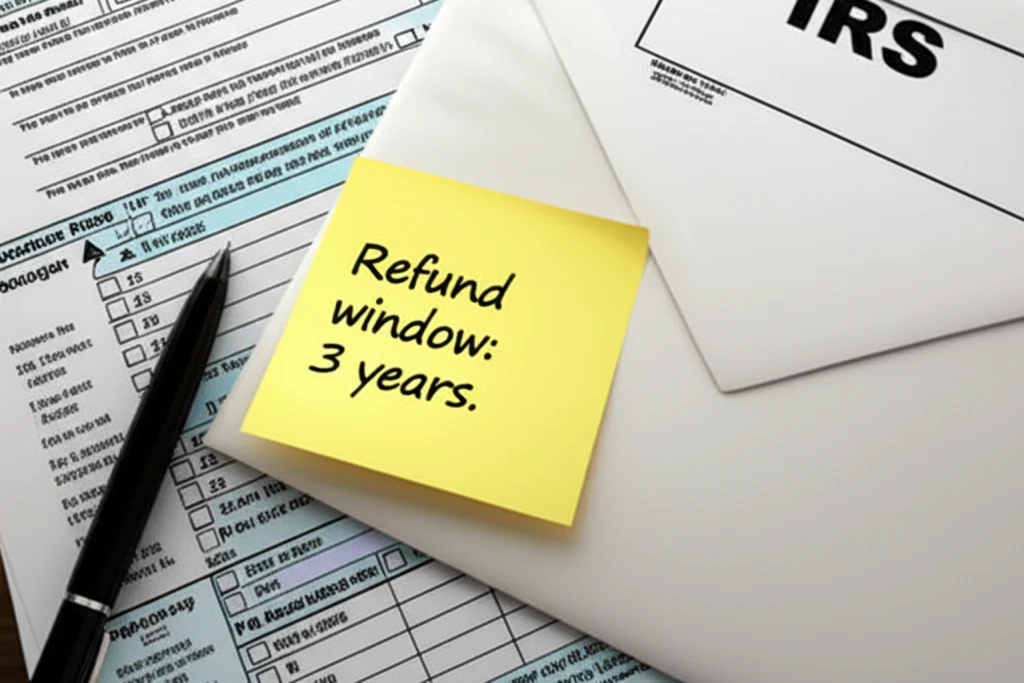
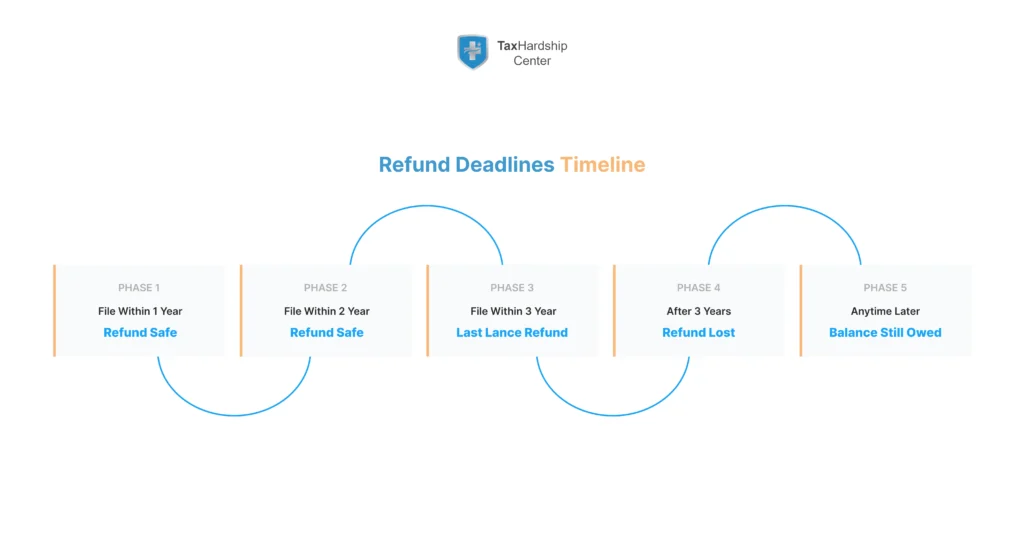
Refunds expire after the statute of limitations runs out. Most people have three years from the original due date to claim a refund. If you wait beyond that window, the money stays with the Treasury. File now if you think withholding or estimated payments created a refund for you.
Clear steps to file your previous year tax returns
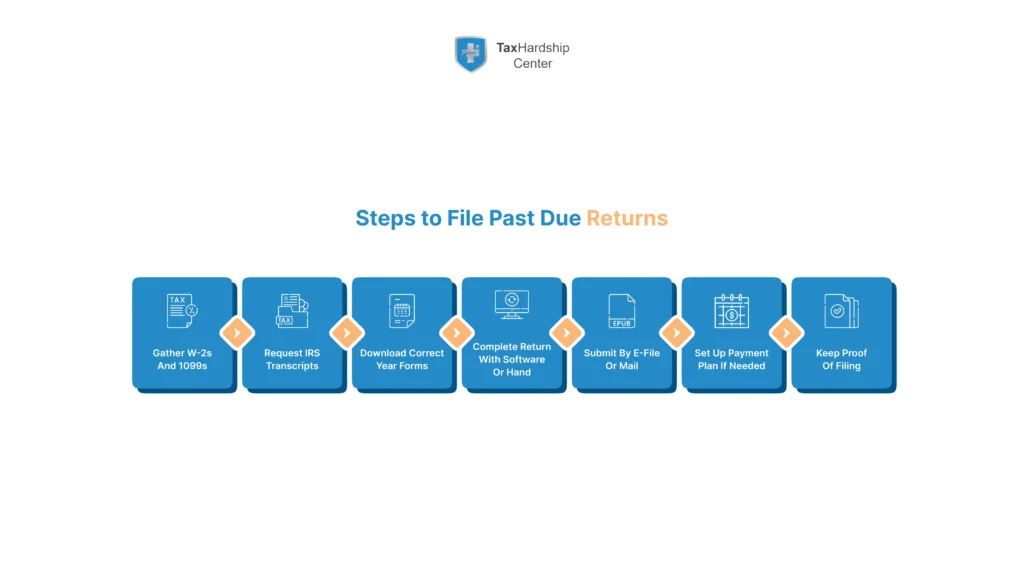
You want a simple checklist you can follow today. Use these five steps to move from disorganized to filed without stalling. Each step builds on the one before it and keeps you from backtracking.
Step 1: Gather all W-2s, 1099s, and income records
Collect W-2s from every employer for the missing years. Pull 1099-NEC for contract work, 1099-G for unemployment income, 1099-INT for savings account interest, 1099-DIV for dividends, state refund 1099-G, and brokerage 1099-B. Download bank statements to verify deposits and spot missing forms. If a form is missing, request a wage and income transcript from the IRS. Match withholding totals carefully; many search for income tax witholding, but the correct term is income tax withholding. Organize receipts for deductions, such as mortgage interest, property taxes, charitable gifts, and medical costs if you itemize.
Step 2: Download the correct IRS prior year tax forms
Each tax year uses its own forms and instructions. Use the 1040 for that year along with schedules and worksheets that match. Do not mix years. If you report self-employment income, download the Schedule C form and Schedule SE for that year. The IRS instructions for each year show income thresholds, standard deductions, credits, and phaseouts that applied then. Using the right year keeps your math and eligibility correct.
Step 3: Use IRS Free File, Direct File, or tax software
Some software supports e-file for the current year and two prior years. If your year falls outside that window, you can still use software to complete the forms, then print and mail. Check eligibility criteria for IRS Free File and Direct File before you start. IRS Free File partners support eligible taxpayers for the current season. Direct File serves many simple returns for the current year. If a product asks for consent to share data for marketing, decline it; you only need consent for required e-file disclosures. For older years, software can still help with calculations even if you must mail the return.
Step 4: Submit your completed tax return by mail or e-file
E-file when the system accepts the year you need. Choose direct deposit to speed any refund. If you must mail, sign and date the return, attach wage statements, and include any forms that show withholding. Use the correct IRS address for the form and your state. Verify your ZIP code on the envelope and labels; search data even shows the odd zipcpde typo. Double-check account and routing numbers for direct deposit to your checking or savings account. Keep copies of everything you send.
Step 5: Set up a payment plan if you owe taxes
Apply online for a short-term or long-term plan. A short-term plan fits when you can pay within 180 days. A long-term plan spreads payments out monthly. Choose a draft from your bank account to reduce missed payments. Turn on calendar notifications for due dates, and ask your bank to alert you before each automatic withdrawal. Track payments in your wallet or budgeting app so you know the remaining balance. Even with a plan, interest and penalties continue until you pay in full, so budget to pay more when you can.
How to file tax returns for previous years
You control the process when you break it into clean steps. Start by confirming what forms the IRS has on file for you. Choose the right tool to prepare each year, then decide if a professional should step in. This section explains each move so you avoid rework.
Gathering tax forms and income records
Request IRS transcripts for the missing years to confirm W-2 and 1099 amounts. Compare transcripts against your records so you do not miss income. Pull 1095-A if you had marketplace health coverage, since you need it to reconcile the Premium Tax Credit. Track basis and sales for investments so you report capital gains correctly. Keep a year-by-year folder to avoid mixing documents.
Using IRS Free File and Direct File options
Free File partners support many taxpayers based on income and return type for the current season. Direct File handles many simple returns for the current year through an IRS system. For older years, you may need desktop or web software that can still produce the right-year forms. Always start from the official IRS tax website to avoid copycat sites and ads. If you cannot e-file the year, mail the complete package. Keep the software-generated calculation worksheets in your file as support.
When to hire a tax professional for prior returns
Hire help when you face multiple years, missing documents, business schedules, rental properties, stock sales without basis, foreign accounts, or IRS notices. A professional can establish the correct filing order, which often starts with the oldest year that still affects refunds or balances. Pros know when to amend versus when to correct within the original filing. They can also advise on penalty relief, payment plans, and audit risk.
Where to find free tax preparation services and advice
Free help exists nationwide if you meet program rules. Volunteers and certified counselors help prepare returns and answer questions. Many sites run by appointment during filing season, and some offer support for prior-year returns. Ask about language support if you need it.
IRS Volunteer Income Tax Assistance (VITA) program
VITA serves people who generally make a moderate income, along with persons with disabilities and taxpayers who speak limited English. Certified volunteers prepare basic returns and can often assist with certain prior-year filings. Sites operate in community centers, libraries, and colleges. Bring photo ID, Social Security cards or ITIN letters, income documents, and last year’s return if available.
Tax Counseling for the Elderly (TCE) program
TCE focuses on taxpayers age 60 and older. Counselors specialize in retirement income, Social Security, and pension issues. Many sites run through AARP Foundation Tax-Aide. If you have prior-year returns to file, ask the site if they can help with those years. Arrive with records in order so you use your appointment time well.
Free tax preparation help available en Español
Many VITA and TCE locations offer Spanish-speaking volunteers and bilingual intake forms. The IRS also publishes Spanish versions of key publications and instructions. If you need Spanish-language assistance for prior-year returns, call ahead to confirm that support at your chosen site. Bring an interpreter if the site cannot guarantee a Spanish volunteer that day.
Free IRS tools and resources for help with your tax return
The IRS provides online tools that reduce guesswork. You can research credits, calculate payments, and find addresses without calling. You can also access your account to view balances and some notices. Use these tools to prepare and to maintain records after you file.
IRS Free File software and online tax tools
Free File offers brand-name software for eligible taxpayers during the current filing season. The IRS site also hosts fillable forms for people comfortable with do-it-yourself math. You can search for credits and deductions, check EITC rules, and review instructions year by year. Use these resources to confirm eligibility before you claim a benefit.
Accessing IRS Direct Pay and payment options
Direct Pay lets you send money from your checking or savings account directly to the IRS. You can also pay by debit card or credit card through approved processors. Some taxpayers use the Electronic Federal Tax Payment System for scheduled payments. For installment agreements, the IRS can set a monthly direct debit, also called an automatic withdrawal, from your bank account. Always keep a confirmation number and a screenshot or printout for your records. To pay online, use IRS Direct Pay.
Step-by-step guidance with IRS interactive tax assistants
Interactive Tax Assistant tools walk you through common questions with plain language. You answer a series of prompts and receive a result based on your facts. You can use these tools to check dependency rules, filing status, taxable income, and education credit eligibility. Save the results page with your records in case you need to show how you reached a position.
How late can you file past due tax returns?
Deadlines change what you can recover. You can file a late return at any time, but you may lose refunds after the statute runs. You may also face limits on e-filing and payment options. A tax filing extension gives you more time to file, not more time to pay. Send any expected income taxes by the tax filing deadline to reduce interest and penalties. States set their own rules, so check the state taxes page on your state tax website for refund statutes and amended return deadlines that may differ from federal. For official guidance, review the IRS page on filing past-due tax returns.
Deadlines for claiming a federal tax refund
You generally have three years from the original filing deadline to claim a refund. If you filed an extension, the three-year clock still ties back to the original April deadline in most cases. Estimated tax payments and withholding beyond that window do not come back to you. File before that date so you keep your refund.
Filing requirements even if you owe no tax
Your income may fall below the filing threshold, yet you may still want to file. Refundable credits and withheld taxes can still produce a refund. Students, part-time workers, and retirees often leave money on the table when they skip filing. File even when you think you do not need to, because the numbers may surprise you.
What happens if you never file at all
The IRS can create a substitute for return using third-party income data. That return rarely includes deductions and credits you could claim. A balance can follow, along with penalties and interest. Filing an original return later often lowers the amount, but interest and penalties may have grown. For time limits and options if balances linger, see our primer on how long the IRS can collect back taxes. You help yourself when you file the correct return first.
Why you should file back taxes even if you owe
You gain options when you file. The IRS sets up payment plans only after you file required returns. You stop the larger penalty by filing, even when you cannot pay in full. You also protect future refunds from being held back. This section explains the practical upside of filing now.
IRS collection and enforcement actions explained
Unpaid balances can trigger a tax lien, levies, and wage garnishment. The IRS usually sends notices first, then moves to enforcement if you do not respond. Filing and setting a plan often halts that progression. If you face financial hardship, ask about Currently Not Collectible status, often called a hardship program, which pauses active collection while you file and budget. A messy history can also invite a tax audit; keep receipts organized so you can respond quickly to any audit report request. You also keep the door open to penalty relief and other options that require compliance. For context on notices and timelines, read our overview of the IRS collection process and the difference between tax liens and levies.
How back taxes affect future tax refunds
The Treasury Offset Program can apply future refunds to unpaid federal balances and some state debts. If you want a refund next year, you need to clear or reduce older balances now. Filing gives the IRS a clear picture of what you owe so you can plan. If you qualify for refundable credits, those amounts may reduce what you owe on other years.
Payment plan and installment agreement options
Short-term plans fit when you can pay within 180 days. Long-term plans set a monthly amount you agree to pay. You apply online for many balances and receive approval without a phone call. If a lien filing worries you, ask a professional about options that may reduce that risk. Adjust your withholding or estimated payments so you do not fall behind again. Learn the pros and cons of each option in our article on IRS payment plans.
Getting professional help with prior year returns
You do not need to go it alone. A licensed tax professional can take the stack of forms on your desk and turn it into a filing plan. They can request transcripts, reconstruct records, and talk to the IRS on your behalf. They also advise on payment plans and penalty relief based on your facts.
When to call a tax professional for assistance
Call when you have multiple years to catch up, missing or conflicting documents, business income, rental properties, stock sales with unknown basis, or IRS notices. Ask about the firm’s expertise with Schedule C form issues and self-employment income. If you worry about an exam, confirm whether the firm offers audit defense and how they respond to an IRS audit report. Call if you receive a CP2000 or similar letter that matches reported income to your return. Call if you face a levy or tax lien. A professional helps you set the order of operations, which returns to file first, and whether to amend a year already filed.
How Tax Hardship Center helps with IRS prior year returns
Our team at Tax Hardship Center helps taxpayers file prior-year returns and fix messy histories. Start on our website with a secure intake that lists each missing year. We pull IRS transcripts with your authorization, compare them with your records, and identify gaps. We build a year-by-year checklist, prepare each return, and submit them in the correct order. We then map payment options that fit your budget and explain how they affect your tax liability. You receive a clear plan and a point of contact who keeps you informed.
Benefits of guided tax preparation for past due returns
Guided preparation saves time, cuts errors, and lowers the chance of IRS letters. You get help with deductions and credits that software can miss. If you owe, we discuss payment plans, penalty relief, and next steps. If you expect refunds, we track mailed returns and confirm processing. You finish the process with a clean slate and a plan to stay current.
In summary: take action on past due returns today
You can close the book on late filings when you follow a simple plan. Act now to keep refunds, reduce penalties, and protect your benefits. Use free programs when they fit, and call a professional when the stakes run higher. Take the first step today and keep your future filings smooth.
- Start with records
- Gather W-2s, 1099s, bank statements, and deductions for each year
- Include 1099-G for unemployment income and Schedule C detail if you run a side business
- Request IRS transcripts to confirm income and withholding
- Gather W-2s, 1099s, bank statements, and deductions for each year
- Use the right-year forms
- Download forms and instructions for each specific tax year
- Keep years separate to avoid math and eligibility errors
- Download forms and instructions for each specific tax year
- Choose your prep method
- E-file current and two prior years if supported
- Use software to prepare older years and mail signed returns
- Compare software to a tax filing service based on forms covered and expert help
- Choose direct deposit to your checking or savings account for faster refunds
- E-file current and two prior years if supported
- File before refund deadlines
- Claim refunds within three years of the original due date
- File even if you think you owe nothing
- Use a tax filing extension only for more time to file, not more time to pay
- Send expected income taxes by the tax filing deadline
- Claim refunds within three years of the original due date
- Plan for payment if you owe
- Apply for short-term or long-term plans
- Set reminders and notifications for draft dates
- Pay more when you can to cut interest faster
- Apply for short-term or long-term plans
- Get help when needed
- Use VITA or TCE if you qualify
- Hire a pro for complex or multi-year cases
- Use VITA or TCE if you qualify
Take control of your filing history today. A little structure and a few decisions move you from late to filed. Keep records in one place and label them by year so your data stays clean and accuracy stays high. If you want help with transcripts, forms, and plans, Tax Hardship Center can step in and handle the process with you.
FAQs
Can I e-file an old return?
You can usually e-file the current year and the two prior years if your software supports those years. Older returns go by mail. If e-file rejects, correct the data and resubmit. State e-file rules vary by jurisdiction. New York posts prior-year forms and instructions online, and you may need to mail older state returns even when the federal return can be e-filed.
Do I lose my refund if I file late?
You lose a refund if you file after the three-year statute from the original due date. File before that date to keep your money.
What if I cannot pay the full amount now?
File first, then apply for a payment plan. Short-term plans allow up to 180 days to pay. Long-term plans use monthly payments. Interest and penalties continue until you pay in full.
Can I get free help to file past due returns?
Yes. VITA and TCE offer free preparation for eligible taxpayers. Many sites help with prior-year returns. Confirm availability and bring all documents.
When should I hire a tax professional?
Hire a pro when you have multiple years, business income, missing forms, IRS notices, or enforcement risk. A professional can set the filing order, prepare returns, and plan payment options.